Every girl deserves
a school day.
 Watch the film →
About this film.
Child marriage can end a girl's education before she gets to decide what comes next.
Child marriage deprives girls of choices.
Education gives them possibilities.
There are organizations working to change that.
A school day can seem ordinary.
For millions of girls, it is not.
For a girl, a school day can be the beginning
of a future she gets to choose.
This video is hosted on Vimeo. Loading it connects to Vimeo servers in the USA.
This matters to all of us.
We cannot change what has already happened.
But we can change what happens next.
Child marriage can have lifelong consequences for a girl's health, safety and opportunities. Girls who marry young are more likely to experience violence, leave school and become mothers before they are ready to make that choice for themselves.
What should be an ordinary part of childhood, a school day, can be replaced by a reality no child should have to live through.
Child marriage takes the risk of a future interrupted: a doctor, an engineer, a mother by choice. A girl with a plan who may never get the chance to follow it.
The girls behind the scenes.
The girls you see in the film go to school in Germany. We talked to them about what school means to them, what they enjoy learning, and what they imagine for their futures.
This video is hosted on Vimeo. Loading it connects to Vimeo servers in the USA.
This video is hosted on Vimeo. Loading it connects to Vimeo servers in the USA.
This video is hosted on Vimeo. Loading it connects to Vimeo servers in the USA.
This video is hosted on Vimeo. Loading it connects to Vimeo servers in the USA.
This video is hosted on Vimeo. Loading it connects to Vimeo servers in the USA.
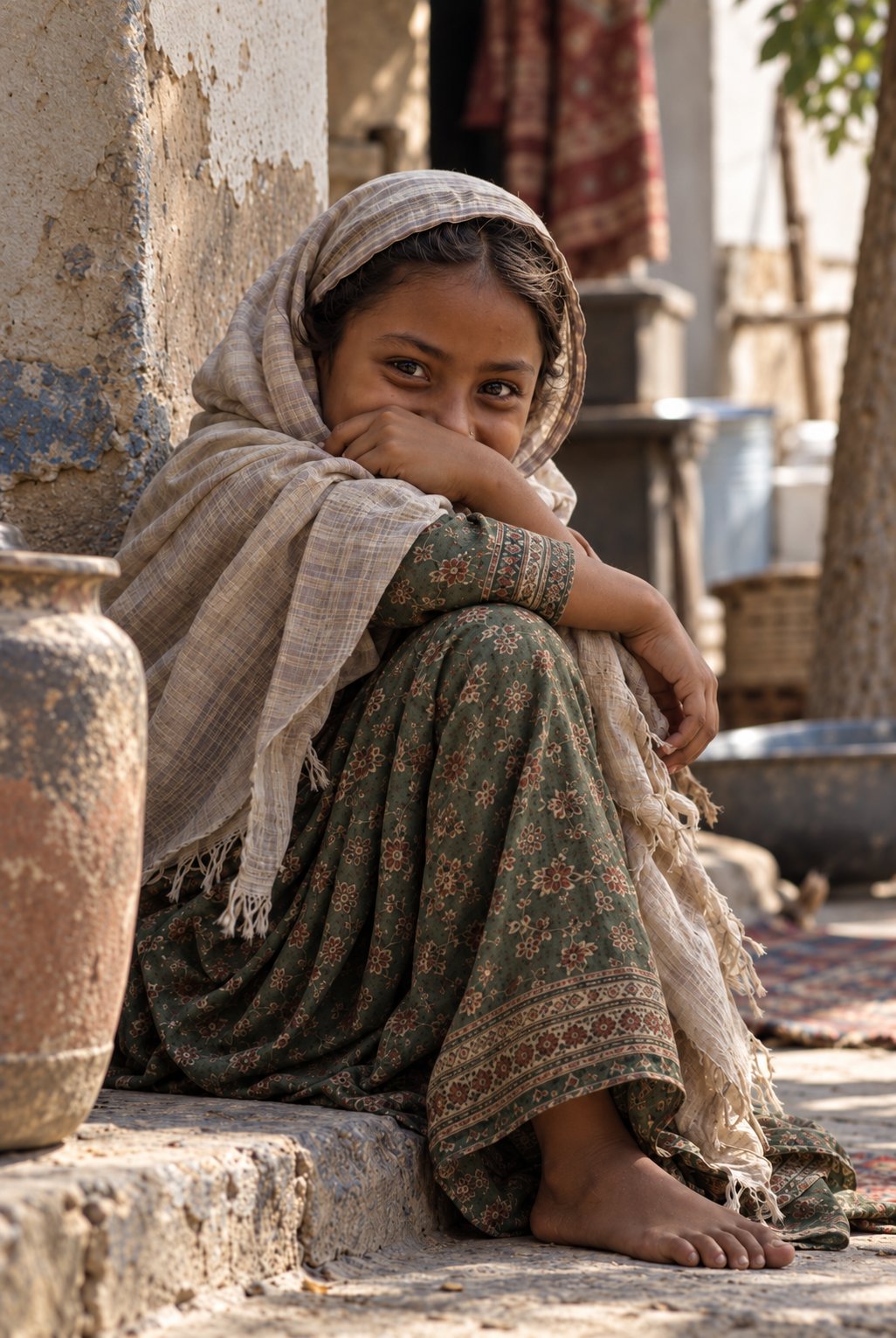

CARE is changing this story.
CARE works with families, communities and organizations to prevent child marriage and its consequences. Through education, advocacy and programs that challenge harmful social norms.
CARE helps girls stay in school, know their rights and build self-determined futures.
None of this work happens without support.
The numbers tell only part of the story.
Behind every number is a girl with a future of her own.
Girls are married before turning 18 every year.1
Girls and women alive today were married as children.1
Girls aged between 15 and 19 give birth after being married as children.2
There are many ways to help.
Share the film. Share the interviews. Talk about the issue.
Every share helps this story travel further.
A school day is the most ordinary thing we know.
The alarm before class, the smell of used books, the heavy schoolbag, getting in trouble for being late, the bell ringing for break, the noise in the corridors, copying your homework from a friend, doodling in the margins of your notebook, looking out the window when you're supposed to be listening, the last five minutes before the bell.
We forget most of it. But that is exactly what makes it precious.
For millions of girls, this ordinary day is not a given. A few months ago, I read about child marriage in Iran, where girls can still be legally married at a very young age. It deeply affected me.
I wanted to make this film because this contrast stayed with me, how much an ordinary school day can hold: the opportunity to learn, to make friends, to discover what you are capable of, and to imagine who you want to become.
Marie Wald, Director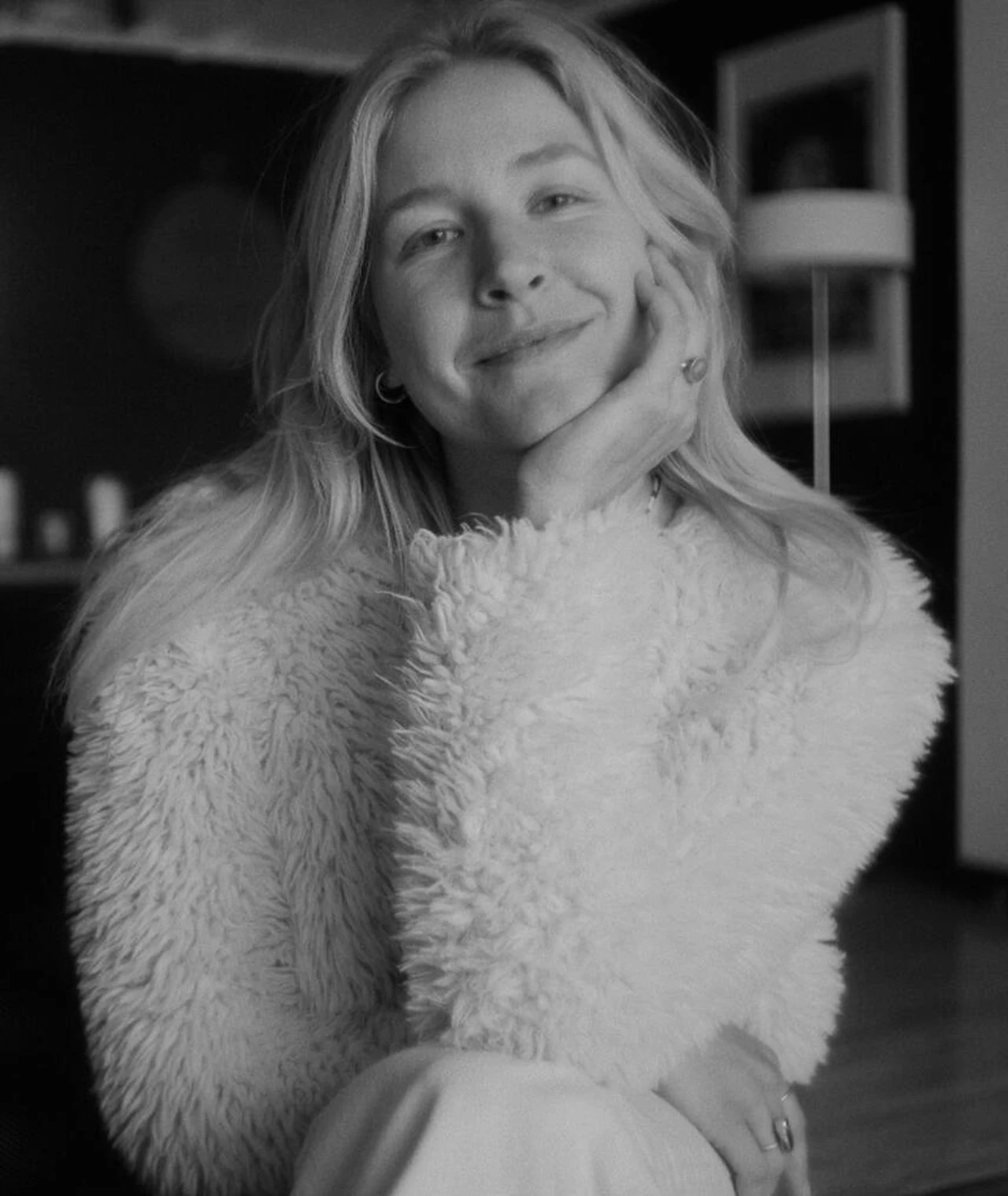
Marie Wald
Marie Wald is a cinematographer and director with roots in Germany and Mexico, working internationally across documentary, fiction and commercial projects. Her work is driven by an interest in intimate human stories and social realities, particularly those affecting women, girls and underrepresented communities. She uses visual storytelling to bring attention to issues that matter. Her work has been recognized internationally, including a 2025 German Cinematography Award nomination for Via Danisinni.
mariewald.com →Child marriage is any marriage or union before the age of 18.
It affects boys too, but girls are disproportionately affected. Each year, more than 12 million girls are married before adulthood. That is roughly one girl every three seconds.1
How widespread it is, and why
About one in five girls worldwide is married before 18, and around 650 million women and girls alive today were married as children. Poverty, gender inequality and social norms that value a girl’s marriage over her education drive it. Crisis, conflict and displacement increase the risk further.1
What it takes from her
Child marriage often means leaving school and is associated with early pregnancy. Pregnancy and childbirth complications are among the leading causes of death for girls aged 15–19. Nearly one in four ever-married or partnered girls in this age group has experienced physical or sexual violence from an intimate partner.1,2
What changes it
Education. Keeping girls in school is one of the most effective ways to reduce child marriage. Investment in girls’ education, legal reform and social protection can help prevent child marriage and give girls greater freedom to shape their futures.1,2
CARE is changing this story.
CARE works with girls, families and communities to prevent child marriage and address its root causes. Through education, advocacy and programs that challenge harmful social norms, CARE helps girls stay in school, know their rights and build futures of their own.
care.de →CARE Deutschland is the partner of this film. Together, we want to raise awareness of child marriage and highlight the importance of education, opportunity and the freedom for every girl to shape her own future.
“This film came to life through the best resource on earth: community. CARE Deutschland e.V. contributes to our community day by day – we are so grateful for their voice and their open mind.”
The girls behind the scenes.
The girls you see in the film go to school in Germany. We talked to them about what school means to them, what they enjoy learning, and what they imagine for their futures.
Their answers became part of the campaign, showing in their own words what an ordinary school day can hold: curiosity, friendship, dreams and the freedom to imagine what comes next.
This video is hosted on Vimeo. Loading it connects to Vimeo servers in the USA.
This video is hosted on Vimeo. Loading it connects to Vimeo servers in the USA.
This video is hosted on Vimeo. Loading it connects to Vimeo servers in the USA.
This video is hosted on Vimeo. Loading it connects to Vimeo servers in the USA.
This video is hosted on Vimeo. Loading it connects to Vimeo servers in the USA.
Made in Munich.
Produced by bubu film with the support of HFF München and neues tanzen Starnberg.
Oliver Schmidle
Thanks to Michael Boxrucker
Kitty Bothe-Hufnagel
Andec Cinegrell, Berlin
Letizia Fink
Emilia, Maruscha, Nadine, Morena, Mimi, Käthe, Anjana, Zoe-Naima, Lucy, Lotta, Isabel, Paula, Tilda, Finya, Ksenija, Tamara, Ida, Lena, Karolina, Julie, Helena, Franka, Frieda, Lorea, Myria, Katharina, Helena, Sophie
CARE Deutschland e.V., neues tanzen Starnberg, HFF München, Ludwig Verleih, Kodak, Slash.Digital
Paulina & Floria, Nikita, Kerstin, [to be continued]
This site shows videos hosted on Vimeo.
When the videos load, your IP address and technical device data are sent to Vimeo in the USA. We use Vimeo's “Do Not Track” mode. You can change your choice at any time under “Video settings” at the bottom of the page. Privacy policy
Impressum
Angaben gemäß § 5 DDG
bubu film GbR
Possenhofenerstraße 34
82319 Starnberg
Vertreten durch
die Gesellschafter Leon Morelli und Henri Nunn
Kontakt
Telefon: 0157 351 391 33
E-Mail: leon@bubu-productions.de
Verantwortlich für den Inhalt nach § 18 Abs. 2 MStV
Leon Morelli
bubu film GbR
Possenhofenerstraße 34
82319 Starnberg
Partner
Die Kampagne entsteht in Partnerschaft mit CARE Deutschland e.V. Für die Inhalte verlinkter Seiten, z. B. care.de, sind ausschließlich deren Betreiber verantwortlich.
Urheber- und Nutzungsrechte
Alle Inhalte dieser Website, insbesondere der Film, die Interviews, Filmstills, Fotos und Texte, sind urheberrechtlich geschützt. Die Nutzungsrechte an Bild und Film liegen bei bubu film GbR. Jede Nutzung, Vervielfältigung, Verbreitung, öffentliche Zugänglichmachung oder Vorführung ohne vorherige schriftliche Einwilligung von bubu film GbR ist nicht gestattet. Anfragen an leon@bubu-productions.de.
Verbraucherstreitbeilegung
Wir sind nicht bereit oder verpflichtet, an Streitbeilegungsverfahren vor einer Verbraucherschlichtungsstelle teilzunehmen.
Datenschutz
1. Verantwortlicher
bubu film GbR
Possenhofenerstraße 34
82319 Starnberg
E-Mail: leon@bubu-productions.de
2. Allgemeines
Diese Website informiert über den Film „Not a wedding day.“ und die Kampagne „Every girl deserves a school day.“. Wir verwenden keine Cookies zu Analyse- oder Werbezwecken, setzen kein Tracking ein und bieten keine Formulare oder Nutzerkonten an.
3. Hosting und Server-Logfiles
Die Website wird bei der STRATO GmbH, Otto-Ostrowski-Straße 7, 10249 Berlin, gehostet. Beim Aufruf werden technisch notwendige Daten verarbeitet, insbesondere IP-Adresse, Datum und Uhrzeit, aufgerufene Seite, Browser und Betriebssystem. Dies dient der sicheren und stabilen Bereitstellung der Website (Art. 6 Abs. 1 lit. f DSGVO). Die Logfiles werden nach 7 Tagen gelöscht. Mit dem Anbieter besteht ein Vertrag zur Auftragsverarbeitung.
4. Eingebettete Videos (Vimeo)
Wir binden Videos des Dienstes Vimeo ein (Vimeo.com, Inc., 330 West 34th Street, 10th Floor, New York, NY 10001, USA). Beim Abspielen bzw. Laden des Players wird eine Verbindung zu Servern von Vimeo hergestellt, dabei werden u. a. Ihre IP-Adresse und technische Gerätedaten übertragen. Die Videos werden erst geladen, nachdem Sie dem über den Hinweis beim ersten Besuch oder über „Load videos“ zugestimmt haben. Rechtsgrundlage ist Ihre Einwilligung (Art. 6 Abs. 1 lit. a DSGVO, § 25 Abs. 1 TDDDG). Ihre Auswahl wird im lokalen Speicher Ihres Browsers gespeichert; Sie können sie jederzeit über „Video settings“ am Seitenende widerrufen. Wir nutzen den Player mit der Einstellung „Do Not Track“ (dnt=1), sodass Vimeo keine Tracking-Cookies setzt; es werden nur technisch notwendige Sicherheits-Cookies gesetzt. Für die Übermittlung in die USA ist Vimeo nach dem EU-U.S. Data Privacy Framework zertifiziert (Art. 45 DSGVO); ergänzend verwendet Vimeo Standardvertragsklauseln. Weitere Informationen: vimeo.com/legal/privacy/policy
5. Schriftarten
Die verwendeten Schriftarten (Sentient und Satoshi, Indian Type Foundry) werden lokal von unserem Server geladen. Es findet keine Verbindung zu Servern Dritter statt.
6. Teilen-Funktion und externe Links
Die Funktion „Share the film“ nutzt die Teilen-Funktion Ihres Geräts bzw. kopiert den Link in die Zwischenablage. Dabei werden keine Daten an uns übermittelt. Links auf externe Seiten, etwa zu CARE Deutschland e.V. oder Quellenangaben, werden erst beim Anklicken aufgerufen; ab dann gilt die Datenschutzerklärung des jeweiligen Anbieters.
7. Kontakt per E-Mail
Wenn Sie uns per E-Mail kontaktieren, verarbeiten wir Ihre Angaben zur Bearbeitung der Anfrage (Art. 6 Abs. 1 lit. b bzw. f DSGVO) und löschen sie, sobald sie nicht mehr erforderlich sind und keine Aufbewahrungspflichten bestehen.
8. Ihre Rechte
Sie haben das Recht auf Auskunft, Berichtigung, Löschung, Einschränkung der Verarbeitung, Datenübertragbarkeit sowie Widerspruch gegen die Verarbeitung (Art. 15–21 DSGVO). Sie können sich außerdem bei einer Datenschutz-Aufsichtsbehörde beschweren, für uns zuständig ist das Bayerische Landesamt für Datenschutzaufsicht (BayLDA), Promenade 18, 91522 Ansbach.
9. Urheber- und Nutzungsrechte
Alle Inhalte dieser Website, insbesondere der Film, die Interviews, Filmstills, Fotos und Texte, sind urheberrechtlich geschützt. Die Nutzungsrechte an Bild und Film liegen bei bubu film GbR. Jede Nutzung, Vervielfältigung, Verbreitung, öffentliche Zugänglichmachung oder Vorführung ohne vorherige schriftliche Einwilligung von bubu film GbR ist nicht gestattet. Anfragen an leon@bubu-productions.de.
Stand
Oktober 2026